No checklist can make an installed curtain hurricane-proof. The goal is to reduce avoidable load and prevent predictable damage without creating new hazards.
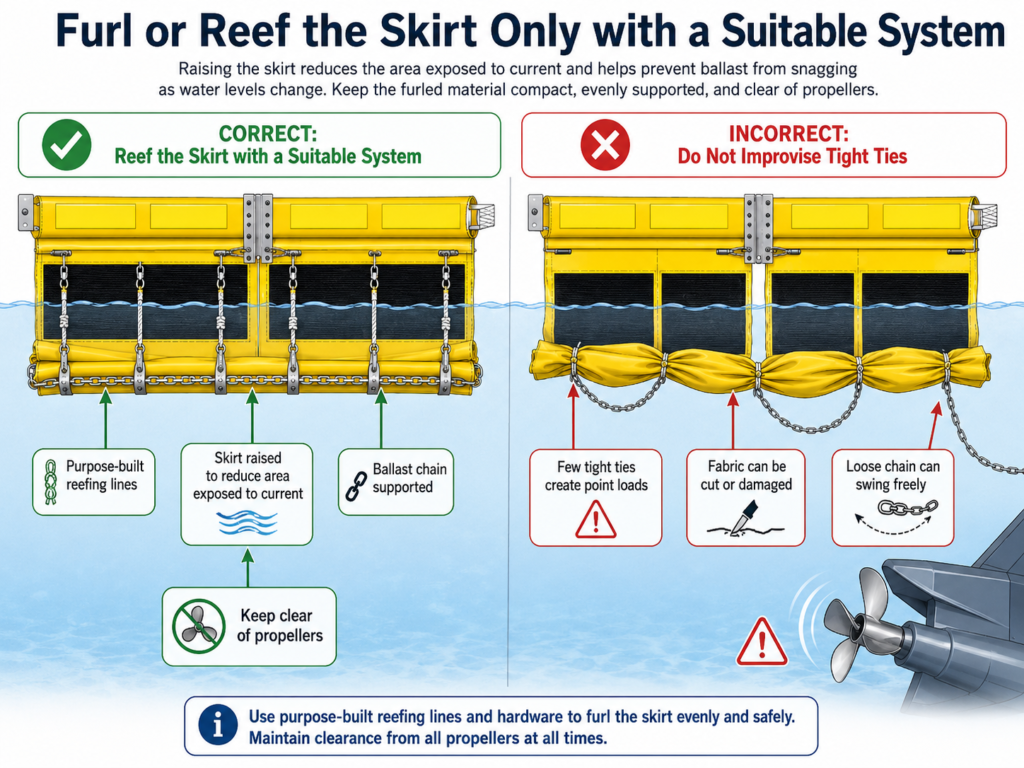
Furl or Reef the Skirt Only with a Suitable System
Raising the skirt reduces the area exposed to current and can help prevent ballast from snagging as water levels change. Use purpose-built reefing lines where available and keep the furled material compact, evenly supported and clear of propellers.
Do not improvise a few tight ties that create point loads, cut the fabric or allow the chain to swing freely.
Protect Anchors and Load Distribution
Inspect every curtain attachment, bridle and line. Correct chafe points and confirm hardware closure. Where a qualified designer calls for added or repositioned anchors, the complete arrangement must account for bottom conditions, changing water level, directional loading and safe retrieval. Adding a heavy anchor to an inadequate attachment point can simply move the failure to the curtain, cable or connector.
Reduce Contact and Debris Exposure
Move stored lumber, pipe, pallets, loose dock materials and construction waste away from the water before the storm. NOAA recommends moving loose items indoors or tightly securing items that cannot be moved to reduce storm-generated marine debris. At the curtain, use approved separators or stand-offs where ordinary contact with pilings is expected, but do not assume they can absorb vessel or large-debris impact.
Maintain Visibility and Navigation Coordination
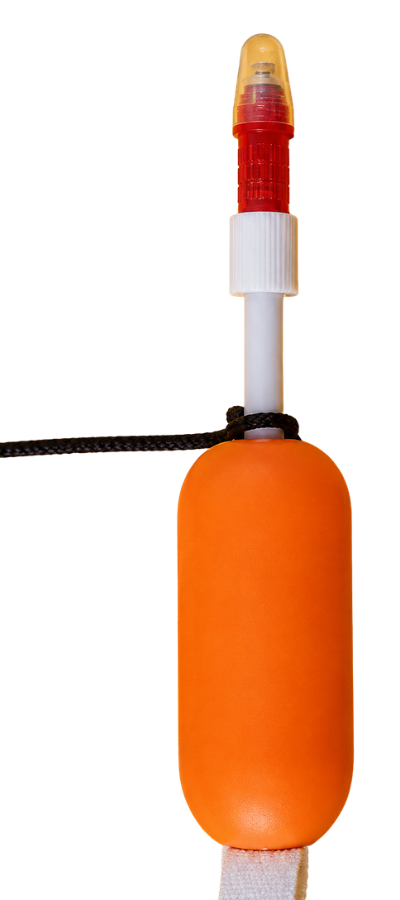
Marker buoys and lights can help identify the barrier before and after the storm, subject to local requirements and the risk that they themselves become debris. Coordinate with the project owner, harbormaster, Coast Guard or other authority when a displaced curtain could obstruct navigation. Record the installed location and section count before evacuation so missing equipment can be identified later.
Prevent Overtopping and Submergence
Overtopping is not solved by tightening anchor lines until the boom is rigid. Excessive downward line load can pull flotation under as water rises or waves pass. Verify freeboard, float condition and anchor-line geometry. Any adjustment must preserve the curtain’s ability to follow the water surface within the intended range.
Do not create a false sense of security!
Extra anchors, heavier chain, larger floats, dual cables or a Type 3 label may be appropriate components of a demanding installation. None should be marketed or treated as a stand-alone hurricane guarantee.
Share This Story, Choose Your Platform!
What type of turbidity curtain for calm water?
Understanding Turbidity Curtains: The Basics Turbidity curtains (also known as silt curtains or silt barriers) are floating barriers designed to contain suspended sediments and prevent them from spreading throughout a water body. They typically consist of a permeable or [...]
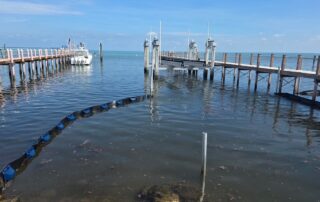
Case Study: Sargassum Control for a Private Shoreline in Summerland Key, FL
INDUSTRY: Residential / Waterfront PropertyAPPLICATION: Seaweed (Sargassum) ControlLOCATION: Summerland Key, FloridaCLIENT: HomeownerPRODUCT: Custom 18” Perm Boom with Dark Blue Floats (38’ & 71’ Sections) Objective A homeowner in Summerland Key, sought a solution to protect his private shoreline from accumulating [...]
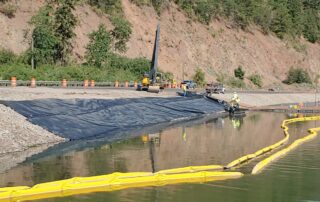
Case Study: Turbidity Curtain Road Widening Project – Klamath Falls, OR Case Study
Case Study: Turbidity Curtain Road Widening in Klamath Falls, Oregon In Klamath Falls, Oregon, a major road widening project required sediment control along a reservoir to prevent suspended solids from entering the water. To meet state compliance requirements and protect [...]